
On Reading and Looking
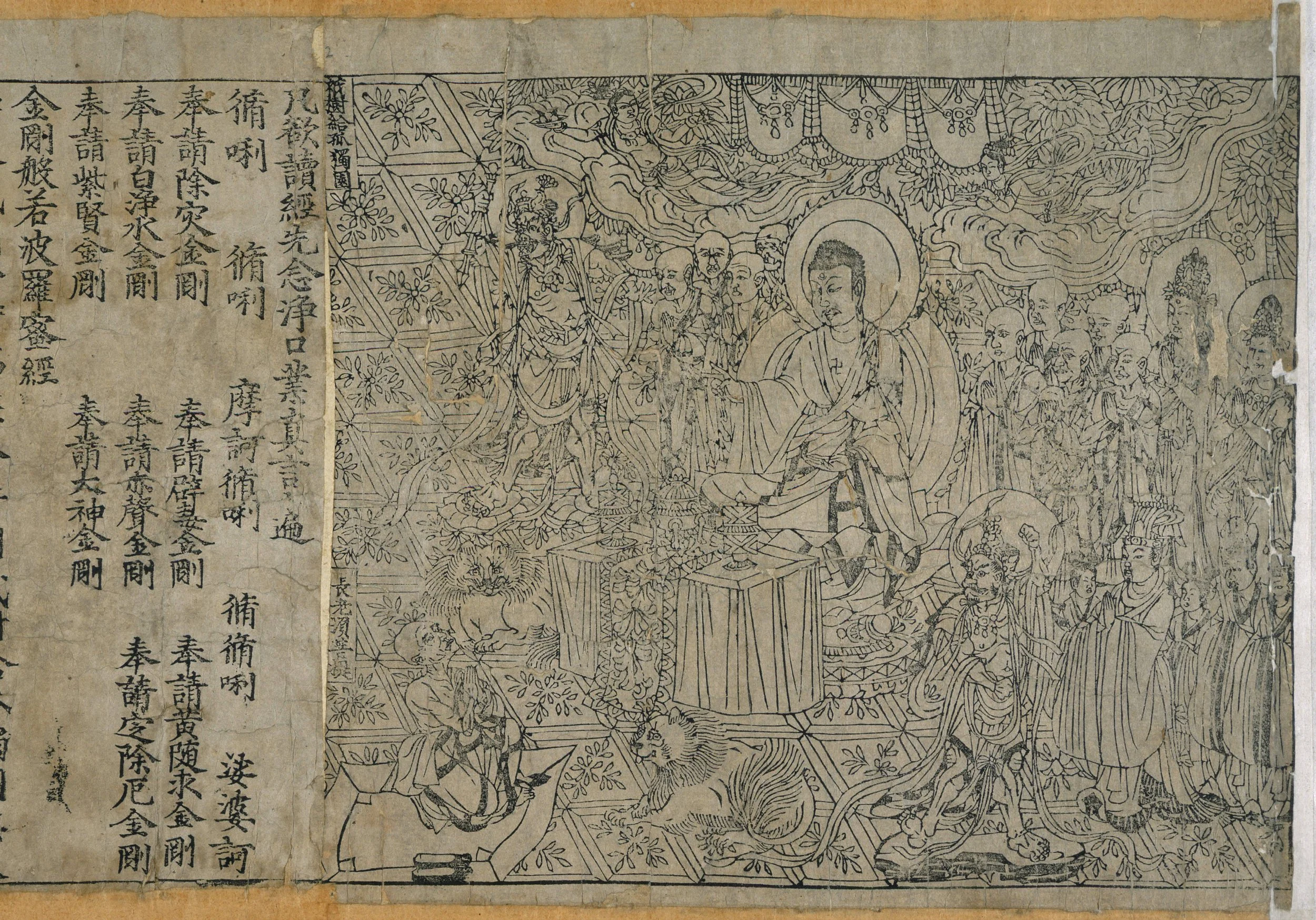
With the folks at Princeton University Press, I have begun to promote Reading Pictures: A History of Illustration, with a publication date exactly two months from today. I will be posting on themes from the book every week or so in the run up to publication. Today I want to explore the genesis of the project, which at the time seemed unlikely. I’m grateful that it turned out differently.
Toward the end of 2021, I became involved in conversations about a book project on the history of illustration. I had long been wary of the subject, skeptical that it was possible to write anything other than sketches of canonical figures interspersed with lucky obscurities who might merit mention. I had done some of that as a service to students but I did not see a larger project as viable. I did not believe that anyone had convincingly established that illustration had a history. Sure, it had a past; plentiful chronicles had been spun over a century and more to prove it, but history is a higher standard.
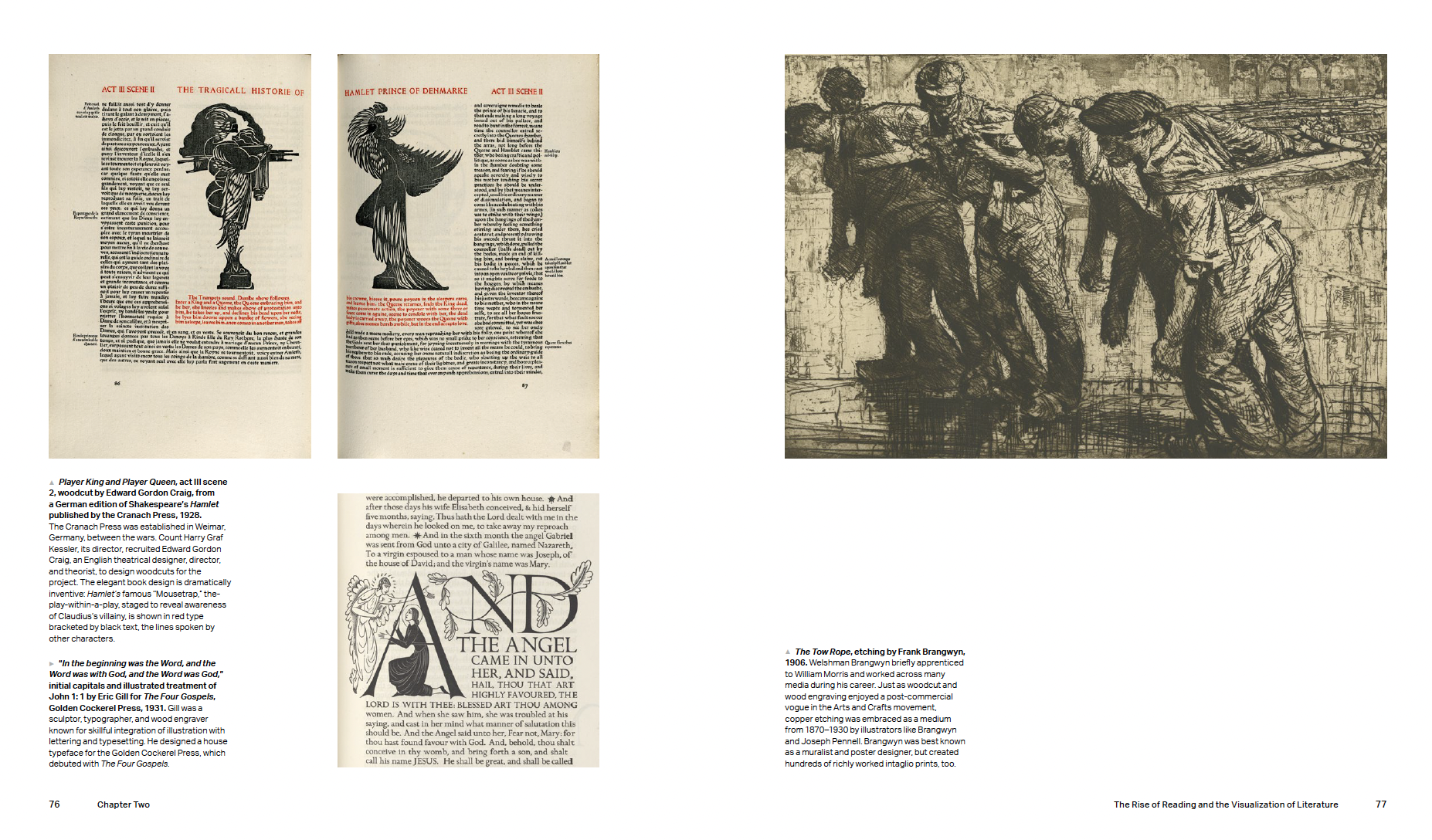
Recent titles have expanded the range of material characterized or suggested as illustration, from cave painting to fresco cycles and relief sculpture. The new Lucas Museum of “Narrative Art” captures some of this elasticity, which may serve the interests of young people exploring the viability of the art form by suggesting a deeper cultural patrimony. But it does little to bring greater clarity to the study of illustration as a subject, even as increasing numbers of people have begun to research illustrated materials. Analytical lassitude often prevails. This is due to the unavoidable fact that illustration has long suffered from fraught status as an aesthetic category, suspended between literary discourse and art history. Mixed, mongrel, minor.
Illustration has long suffered from fraught status as an aesthetic category, suspended between literary discourse and art history. Mixed, mongrel, minor.
When contacted about the idea of working on a project with an unsatisfying working title of A Visual History of Illustration, I was disinclined. But a countervailing impulse came from the recent experience of teaching my version of an illustration history course to a new audience: incoming graduate students in our MFA in Illustration and Visual Culture program at the Sam Fox School at Washington University. The lack of a suitable text required me to generate all my own materials, and the thought of developing a book to carry some of that load appealed to me. My pessimism was also challenged by opportunity. Could I tackle the problem that annoyed me?
In dialogue with the folks at Quarto in London and Princeton University Press, co-developers of the project, I agreed to spend a month pondering the question. At the very beginning of a sabbatical leave, I had the head space to work on it. If I could rough out a thesis worthy of such a book, I would take it on.
Illustrations, I would later conclude, are pictorial, symbolic, and decorative contributions to reading experiences.
At the heart of the problem were two questions of exclusion designed to overcome lazy thinking: as for artifacts, what isn’t illustration, and to address the problem of change over time, when wasn’t illustration? I made satisfactory progress on both questions soon enough, and agreed to write the book. Illustrations, I would later conclude, are pictorial, symbolic, and decorative contributions to reading experiences. The story of reading and the evolution of literacy including the complementary acts of reading and looking would become central to the project. The research journey that followed led to a career project, and a deeply rewarding experience.
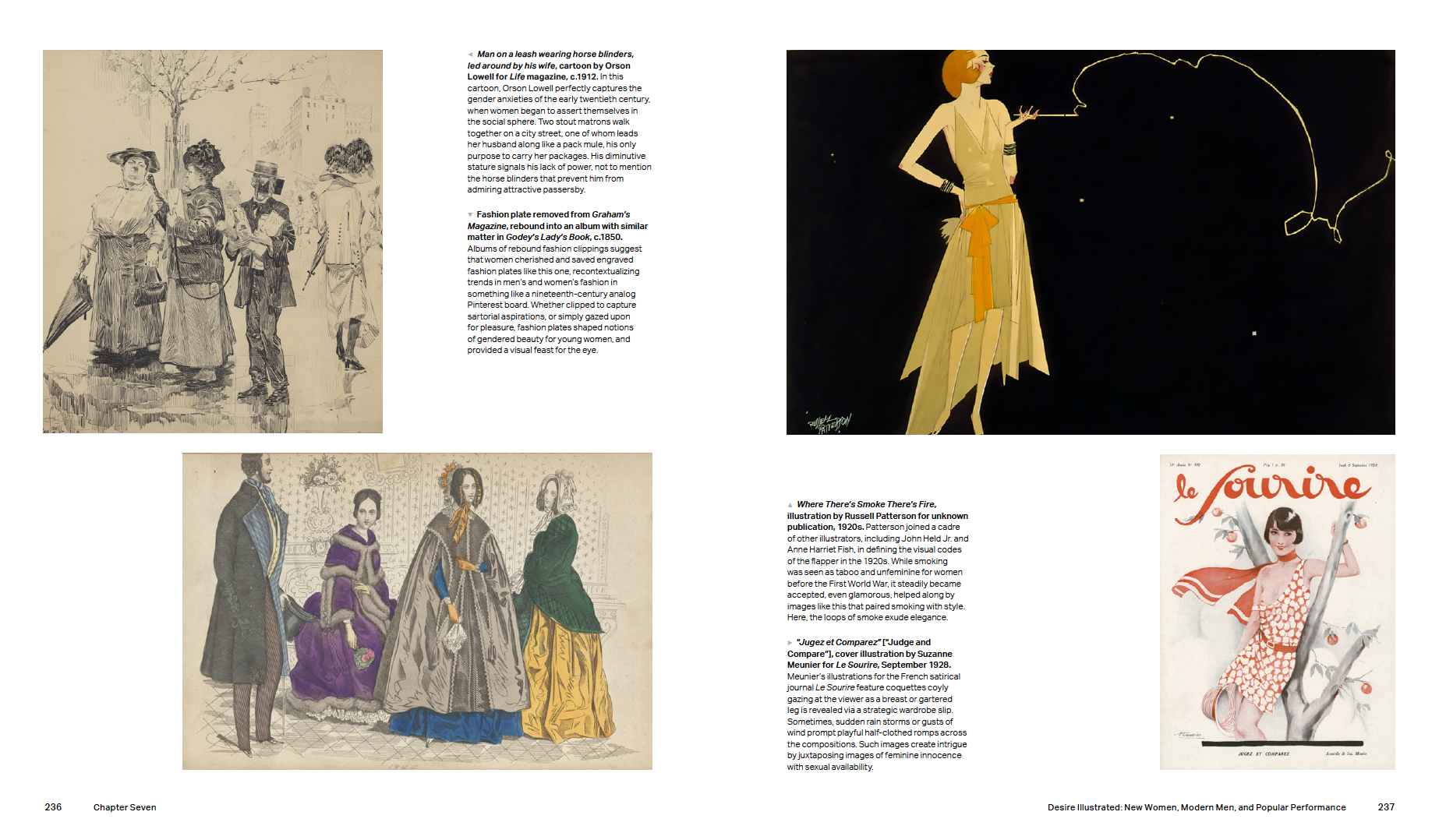
I might add that the primacy of literacy in all its fullness is as relevant to our deeply unsettled historical moment as it is to my book project, if not more so. In coming weeks I will write more about dimensions of Reading Pictures as publication approaches…